
Amino acids and fulvic acid: the duo that helps crops recover after harvest
Why European growers rely on amino acids and fulvic acid to revive crops after harvest, when to apply them and how to combine them.
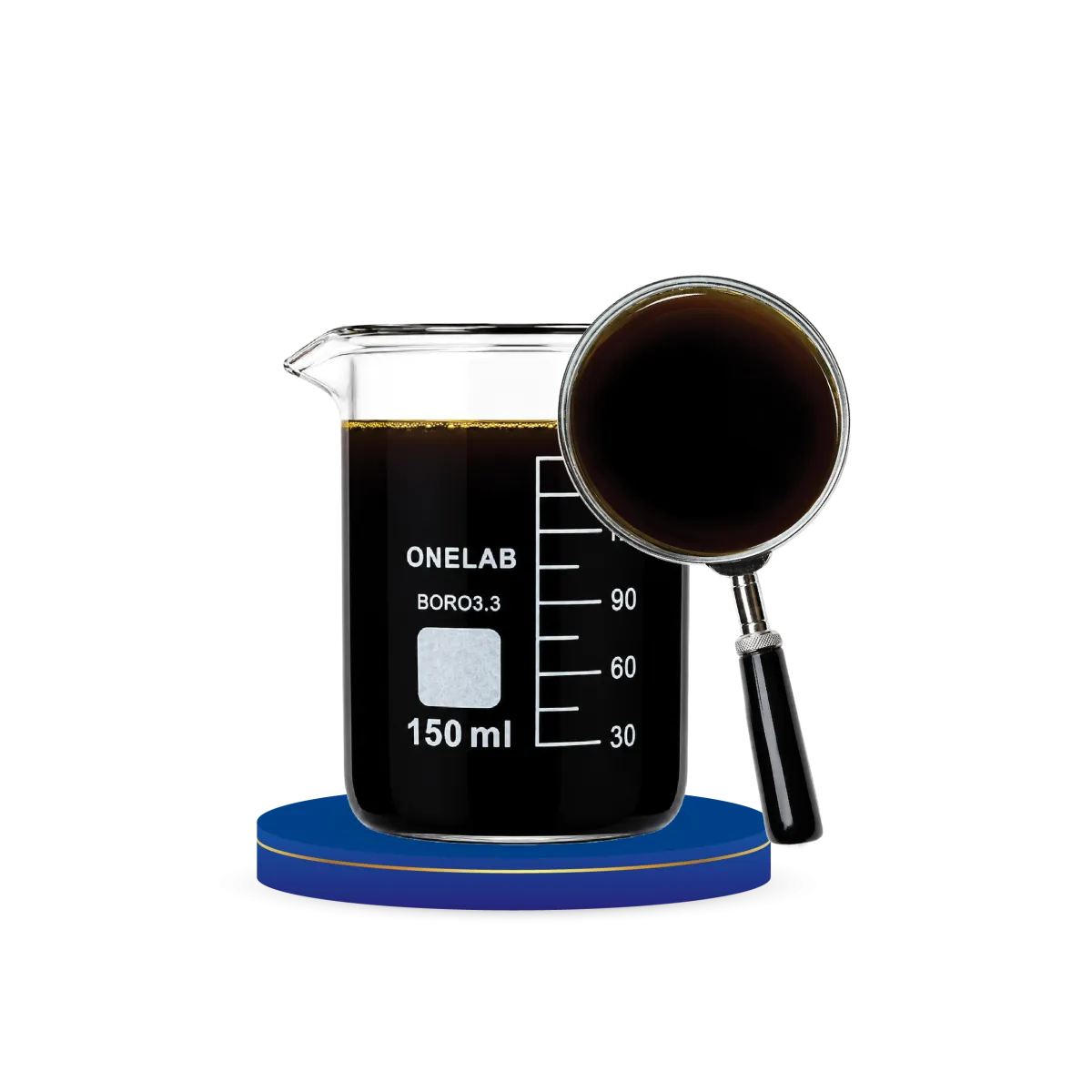
After harvest, fruit and industrial crops have spent their nutrient reserves, roots are weakened and plants are vulnerable to prolonged rain or drought. Two ingredients widely used in European agriculture to revive crops are amino acids and fulvic acid.
Amino acids: building blocks for self-repair
Amino acids are the units of protein. Supplied in free form, plants use them immediately to rebuild tissue, push new roots, produce chlorophyll and synthesise stress-protection compounds. Deeply hydrolysed, small-molecule products are absorbed through leaves and roots far faster than ordinary nitrogen.
Fulvic acid: the nutrient carrier
Fulvic acid has a very small molecule, dissolves easily and chelates nutrient ions, helping phosphorus, potassium, calcium and micronutrients enter the plant. Applied to soil it also improves structure, retains moisture and activates beneficial microbes around the roots.
When to apply
- Right after harvest: to restore roots and push a new flush.
- After heavy rain, waterlogging or drought: to relieve stress and reduce leaf drop.
- 2–3 weeks before flowering: to build reserves for good bud differentiation.
How to combine them
Spray amino acids every 7–10 days during recovery and drench the root zone with a fulvic-rich product. In the EUCHEM range, Amino Türkiye and Amino Italy suit foliar use, while Tera Tera 60 (64–66% fulvic) suits soil application.
Notes
- Spray early morning or late afternoon; avoid strong sun and rain.
- Follow label rates; test on a small area before tank-mixing.
- They complement, not replace, a balanced NPK programme.
Need rates for durian, coffee, citrus or vegetables? Call 0967 383 499 for stage-specific advice.